
What Happens If I Cannot Repay a Pawn Loan?
- Pawn & Jewelry Exchange

- Jan 15
- 5 min read
AI Summary
Pawn loans in Pennsylvania usually last around 30 days, but timelines vary based on shop policies and renewal options.
Borrowers can redeem, renew, or forfeit the item at the end of each loan term with no credit impact.
Understanding pawn ticket terms and grace periods helps prevent accidental forfeiture.
The Pawn & Jewelry Exchange offers clear, flexible pawn loan terms for customers in Greensburg, PA.
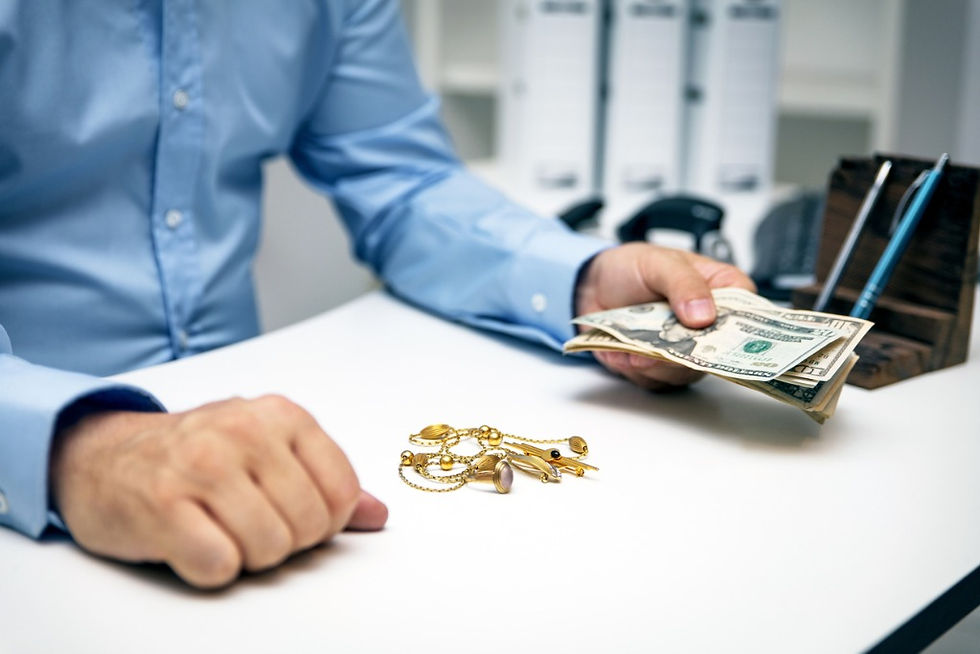
Pawn loans are designed to be one of the lowest-risk ways to access short-term cash, but many borrowers still worry about what happens if they cannot repay on time. Unlike bank loans, payday loans, or credit cards, pawn loans work under a completely different system. Knowing what actually happens when repayment is not possible can relieve stress and help you make informed decisions.
This guide explains exactly what happens if you cannot repay a pawn loan in Pennsylvania, what options may be available, and why pawn loans remain a safer alternative for many borrowers.
The Problem: Borrowers Often Fear Serious Financial Consequences
When money is tight, borrowers may worry about worst-case scenarios. Common concerns include:
Will my credit score be damaged?
Will I be sent to collections?
Can I be sued for not repaying?
Will interest keep growing forever?
What happens to my pawned item?
These fears usually come from experiences with traditional lenders. Pawn loans operate differently, and understanding that difference is critical.
The Solution: Pawn Loans End With the Item, Not With Debt
Pawn loans are collateral-based loans. This means the item you pawn is the only thing at risk. If you cannot repay, the loan ends when the item is forfeited. There are no long-term financial consequences beyond losing the item itself.
Below is a detailed breakdown of how this process works in Pennsylvania.
How Pawn Loans Are Structured in Pennsylvania
When you pawn an item, you receive a pawn ticket. This document acts as your loan agreement and clearly states:
Loan amount
Interest and service fees
Loan due date
Grace period details
Conditions of forfeiture
The pawn ticket explains exactly what happens if repayment does not occur, so there are no surprises.
What Happens When You Miss the Due Date
If you do not repay the loan by the due date listed on your pawn ticket, the loan becomes past due. At this point, the next steps depend on the pawn shop’s policies.
Grace Periods May Apply
Many licensed pawn shops in Pennsylvania offer a grace period after the due date.
During this time, you may still be able to:
Redeem the item by paying the full amount owed
Renew the loan by paying interest and fees
Ask about extension options
Grace periods are not required by law, and their length varies by shop. This is why checking your pawn ticket is so important.
What Happens If You Still Cannot Repay
Once the loan term and any grace period end, the item is officially forfeited.
Forfeiture Explained
Forfeiture means:
The pawn shop becomes the legal owner of the item
You lose all rights to reclaim it
The loan is considered fully settled
You owe no additional money
The pawn shop may then sell the item. You are not responsible for any difference between the loan amount and the resale price.
No Credit Damage or Collections
One of the biggest benefits of pawn loans is that they are completely separate from the credit system.
If you cannot repay:
Your credit score is not affected
No collection agencies are involved
No late payment reports are filed
No lawsuits or wage garnishments occur
This makes pawn loans far safer than payday loans or unsecured personal loans.
You Can Still Use Pawn Services in the Future
Failing to repay a pawn loan does not ban you from using pawn shops again. Pawn shops understand that financial situations change.
Even after forfeiture, customers can:
Pawn new items
Buy items from the shop
Apply for future pawn loans
There is no permanent record or penalty for letting a pawn loan expire.
Can You Get the Item Back After Forfeiture?
Once an item is forfeited, it belongs to the pawn shop. However, there are some situations where the item may still be available for purchase.
If the item has not been sold:
You may be able to buy it back at retail price
Availability is not guaranteed
The shop is not required to hold it
This is why acting before forfeiture is always the best option.
Why Pawn Loans Are Lower Risk Than Other Loans
Compared to other short-term borrowing options, pawn loans carry far less risk.
No Long-Term Debt
Once the item is forfeited, the loan ends completely.
No Compounding Interest
Interest does not grow endlessly like credit cards or payday loans.
No Financial Fallout
There are no calls, letters, or legal consequences.
Full Control
You choose whether to redeem, renew, or forfeit.
Situations Where Forfeiture May Be the Right Choice
In some cases, forfeiting the item may make sense.
Examples include:
The item has little personal value
The cost to redeem exceeds the item’s worth
You no longer need the item
Financial priorities have changed
Pawn loans give you the flexibility to make that decision without penalty.
People Also Ask
Will I owe money if I don’t repay a pawn loan?
No. Once the item is forfeited, the loan is settled.
Can a pawn shop sue me for nonpayment?
No. Pawn loans do not involve lawsuits or collections.
Will missing repayment affect my credit score?
No. Pawn loans are not reported to credit bureaus.
FAQ Section
Q: Can I renew my pawn loan if I can’t repay in full?
A: Yes. Most shops allow renewals by paying interest and fees before forfeiture.
Q: What if I lost my pawn ticket?
A: You can still redeem or renew with a valid ID, though a replacement fee may apply.
Q: How long before an item is forfeited?
A: The timeline depends on the loan term and any grace period listed on your pawn ticket.
Q: Does forfeiture cancel all fees?
A: Yes. Once forfeited, you owe nothing further.
Understanding Your Options in Greensburg, PA
Pawn loans are designed to give borrowers flexibility and peace of mind. If repayment becomes impossible, the loan ends with the item, not with debt, damaged credit, or legal trouble. Understanding this process allows you to use pawn loans responsibly and confidently.
If you have questions about repayment options or want a clear explanation before pawning an item, we are here to help. Call (724) 836-7296 or visit The Pawn & Jewelry Exchange, a trusted pawn shop in Greensburg, PA, to speak with our team and explore your options.


Comments